How Digital Content Enhances Student Engagement and Academic Performance
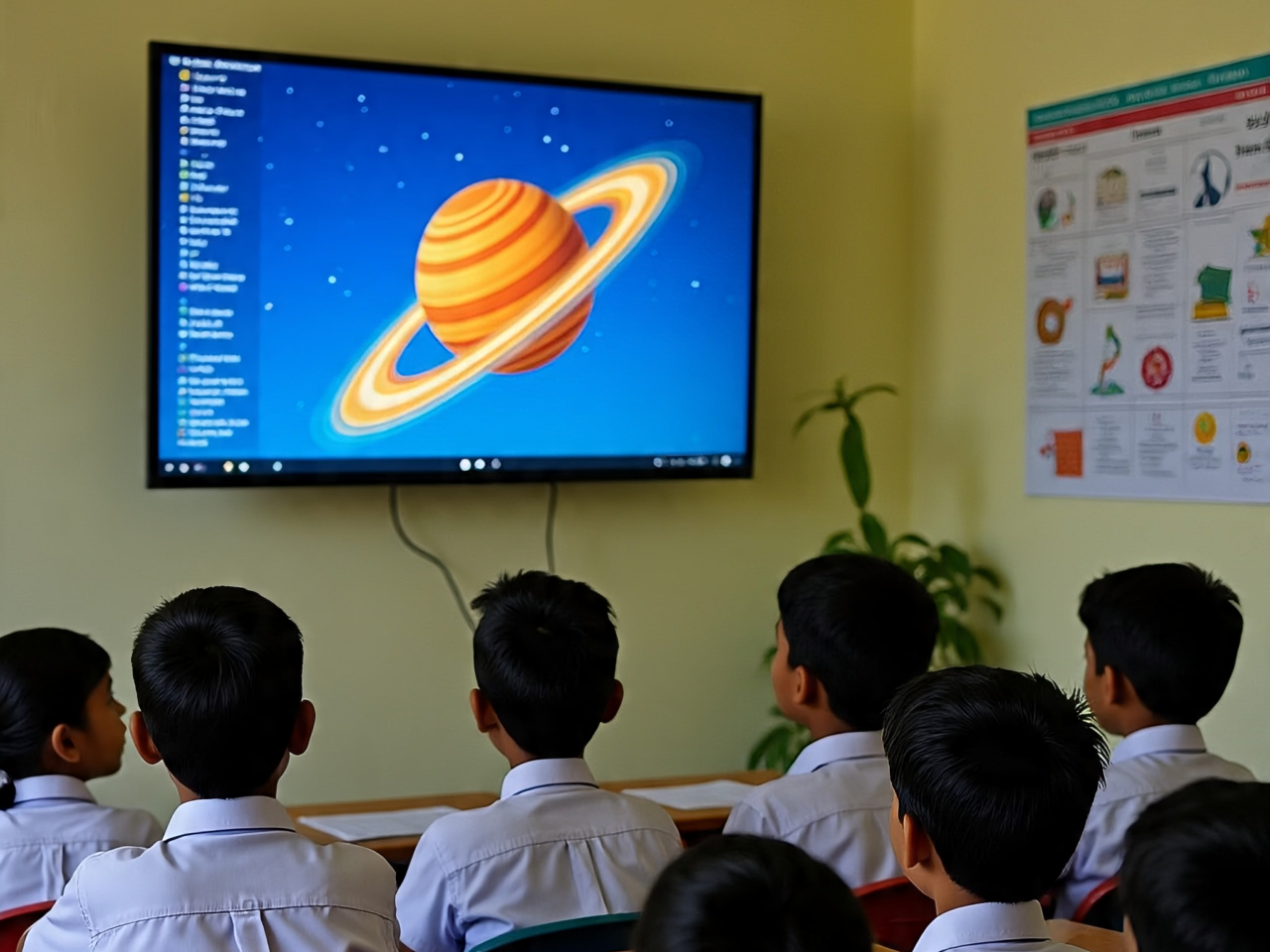
When a classroom comes alive with curiosity, questions, and eager minds, learning becomes a joyful journey. In India, where classrooms are as diverse as our languages and landscapes, digital learning tools are creating a new learning experience, one that sparks curiosity, holds attention, and lifts performance. Blackboards are giving way to smartboards, chalk is being replaced by touchscreens, and rote learning is transforming into interactive understanding. Digital content is not just changing how students learn, it’s changing how much they enjoy learning.
Let’s explore how this transformation is enhancing both engagement and academic outcomes for students across the country.
1. What Is Digital Content in Education?
Digital content includes educational materials that students can access using digital devices. These include:
- Animated videos
- Interactive exercises
- Digital textbooks
- Learning apps
- Online quizzes and games
- Virtual labs and simulations
- Augmented Reality (AR) and Virtual Reality (VR) content
- Recorded video lessons
Schools use this content through interactive flat panels, tablets, laptops, mobile phones, and online platforms. Many Indian EdTech companies and platforms, such as StudynLearn, Diksha, and Vedantu, create content aligned with the NCERT curriculum and offer it in multiple Indian languages.
2. Why Students Engage More with Digital Content
a) Visual Learning Keeps the Mind Focused
Many Indian students struggle with abstract textbook content. Digital content turns boring theory into colourful visuals and moving animations. For example, a boring lesson on blood circulation becomes exciting when students watch a 3D video of the heart pumping blood.
These visual and audio tools grab attention and keep students focused longer.
b) Interactivity Encourages Participation
Digital content invites students to take part in the learning process. Instead of just listening to the teacher, they now:
- Tap answers on smartboards
- Drag and drop to solve puzzles
- Watch, pause, rewind, and rewatch videos
- Play learning-based games
When students interact with content, they stay alert, involved, and curious.
c) Real-Life Examples Create Better Connection
Digital content often includes day-to-day examples to explain difficult concepts. A maths lesson explaining percentages using a shopkeeper’s discount attracts more attention than one with only numbers. When students relate lessons to real life, they understand better and remember longer.
3. How Digital Content Improves Academic Performance
a) Builds Stronger Concept Clarity
Animations, diagrams, and simulations make it easier to understand complex topics. For example, a physics teacher explaining laws of motion using real-time simulations helps students visualise how those laws work in real life. Stronger clarity leads to better answers in exams and higher scores.
b) Makes Revision Flexible and Stress-Free
With access to recorded video lessons, PDFs, and digital question banks, students can revise whenever they want. If they didn’t understand something in class, they can go home and revisit the same content online.
This self-paced learning helps students stay confident and stress-free before exams.
c) Adapts to Each Student’s Speed
Every student has a different learning speed. Digital platforms allow students to learn at their own pace. A fast learner can skip ahead, while a slower learner can take more time on tough topics.
Some platforms even track performance and offer AI-powered feedback and suggestions.
4. Digital Tools Transforming Indian Classrooms
Several digital tools are helping Indian schools improve teaching and learning:
- Interactive Flat Panels (Smartboards): These touchscreen boards are replacing blackboards. Teachers use them to show videos, draw diagrams, and conduct live quizzes.
- Learning Management Systems (LMS): Platforms like Google Classroom, Microsoft Teams help teachers share notes, track attendance, assign homework, and interact with students digitally.
- Mobile Learning Apps: Apps like StudynLearn, Toppr, and Vedantu provide curriculum-based content, mock tests, and revision tools.
- Government Platforms: The Diksha platform by the Indian government offers free digital content aligned with NCERT books in multiple Indian languages.
5. Benefits of Digital Content for Indian Students
a) Equal Access to Quality Learning
In rural and tier-2 cities, many schools face teacher shortages. Digital content gives access to top-quality lessons by expert teachers to every student, no matter where they live.
b) Support for Multilingual Learning
India is a multilingual country. Many digital content providers offer lessons in English, Hindi, Tamil, Telugu, Marathi, Bengali, and other regional languages, ensuring better understanding for students.
c) Boosts Confidence and Self-Learning
Students can access digital content even outside classrooms using smartphones or tablets. This independence builds their confidence, helps in self-study, and prepares them for competitive exams.
6. Role of Teachers with Digital Content
Digital content does not replace teachers, it empowers them. In fact, teachers play a more important role in guiding and mentoring students. With digital tools, teachers can:
- Explain concepts better with visuals and videos
- Use time more efficiently by reducing manual work
- Focus on students who need more attention
- Track student progress using data analytics
In many Indian schools, teachers have started using smartboards and digital lessons to make their teaching more effective.
7. The Future of Education in India is Digital
The future classroom is not limited by four walls. It is powered by videos, voice, visuals, and virtual labs. Students will learn from the best teachers, in their preferred language, at their own pace, no matter where they live.
With smartboards, online classes, educational apps, and AI-driven content, India’s education system is entering a golden age. Students are not just memorising, they are understanding, exploring, and succeeding.
Conclusion
Digital content is not just an add-on in today’s education, it’s a necessity. It makes learning exciting, interactive, and deeply engaging. Indian students, whether from a metro city or a small village, can now learn better and perform well with the help of digital tools.
Let’s support this digital revolution in education. When students enjoy learning, they don’t just score better, they grow into confident thinkers, creators, and future leaders.
How Smartschool Education transformed teaching in schools?
Here is a snippet of how Smartschool Education’s Studynlearn Interactive flat panels have changed the teaching methodology of teachers.

"Today we have brought the interactive flat panel of studynlearn company. Today we will do the unboxing and will tell you the main features of this flat panel. The specialty of this flat panel is that you can read from pdf or add image. You can also crop from it and can use all the features that you have thought of. In this, you get the main tool box with which you can read through the image. You can read through any table. We have bought a 75 inch panel. You can read from pdf or can use any of the tools."
- Aryan Rathore, Sandhya Coaching Classes
SmartSchool Education is a prominent EdTech company providing a wide range of educational solutions, including interactive flat panels, all-in-one PCs, a learning app, studio setup services, K-12 digital content, and school books under the Studynlearn and SNL brands.
To Know More, Call or Whatsapp on: 89270-89270
Related post:
- Reimagining Lesson Plans: Creative Ways Teachers Use Digital Content in Classrooms
- Digital Content for Holistic Learning: Blending Academics with 21st-Century Skills
- Beyond Textbooks: How Digital Content Makes Learning More Dynamic and Real
- Smart Learning Starts Here: Exploring the Impact of Digital Content in Schools
- From Chalkboards to Smartboards: The Digital Content Revolution in Classrooms
- Best Practices for Implementing Digital Content Learning in Schools
- The Future of Education: Why Digital Content is Key to School Success
- Empowering Teachers: The Role of Digital Content in Modern Classrooms
- Transforming Traditional Classrooms with Interactive Digital Content
- Digital Content in Schools: Bridging the Gap Between Theory and Practice