Best Practices for Implementing Digital Content Learning in Schools
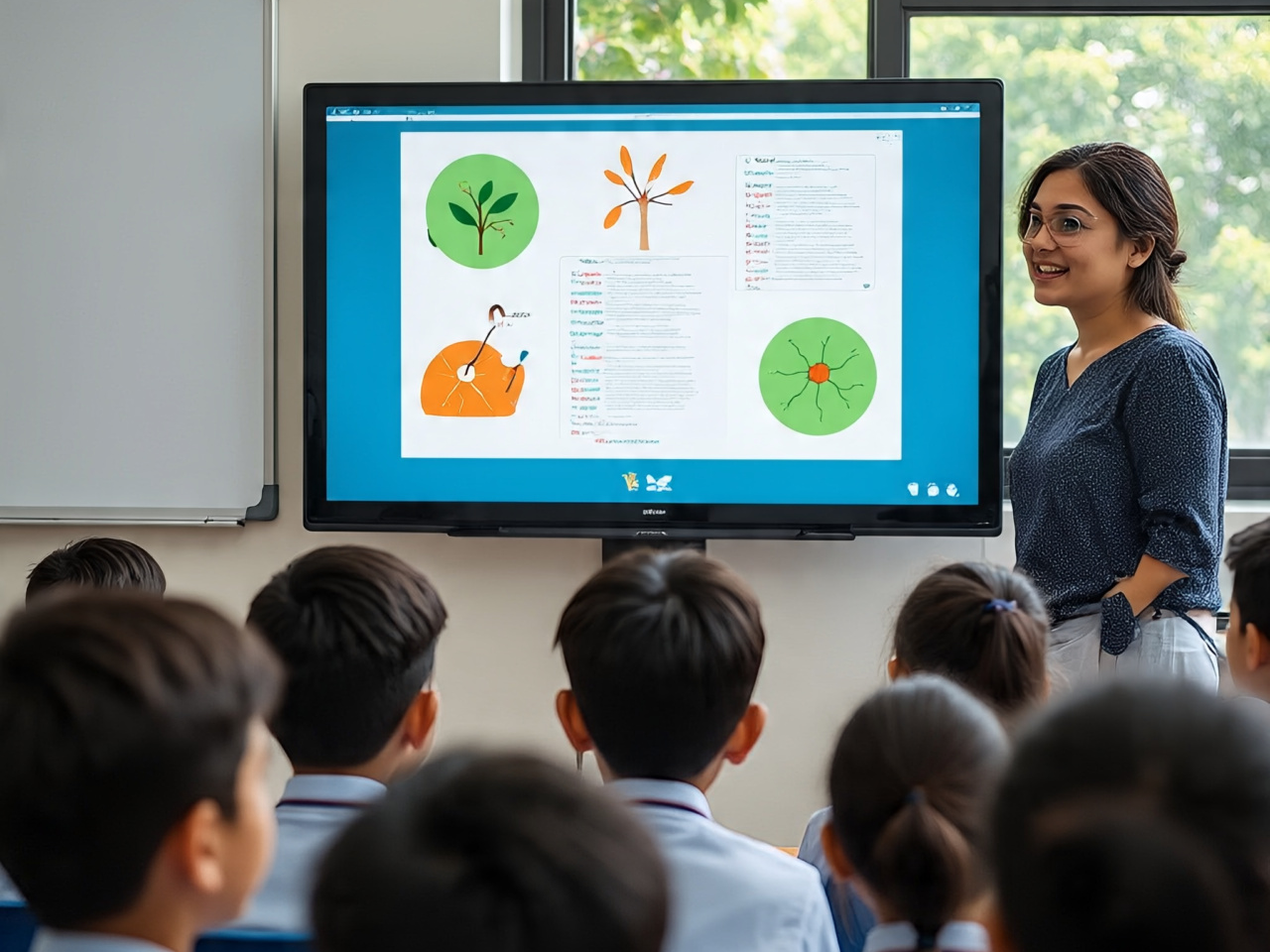
A few years ago, students in many Indian classrooms learned science by drawing diagrams on blackboards, and teachers explained geography using plain maps. But now, a child sitting in a village school can explore the solar system through an animated video, while a student in a Delhi classroom can revise algebra with an interactive quiz, all with the help of digital content.
This shift didn’t happen overnight. It came from a growing need to make learning more engaging, more visual, and easier to understand. As schools across India adopt smartboards, tablets, and digital classrooms, one thing is clear: digital content isn’t just a tool; it’s a bridge to better learning.
But simply adding screens in classrooms won't solve anything. Schools need a thoughtful, step-by-step plan to use digital content the right way. When implemented correctly, it can boost student performance, reduce teacher stress, and transform classrooms into vibrant learning spaces.
Let’s explore the best practices for implementing digital content learning in Indian schools, practical steps that every principal, teacher, and school owner can follow to create a smart and effective learning environment.
1. Understand Your School’s Needs First
Before jumping into digital learning, every school must assess its specific needs. A rural school may need content in regional languages, while an urban school may focus more on CBSE/ICSE-based animated content.
Ask these questions:
- What is the medium of instruction?
- What is the curriculum followed - CBSE, ICSE, or State Board?
- What are the infrastructure limitations?
- What is the comfort level of teachers with technology?
Once the school understands these needs, it becomes easier to select the right digital content provider.
2. Choose the Right Digital Content Provider
Not all digital content is the same. Some content may look attractive, but may not match the syllabus. Others may be difficult for students to understand. Schools must look for content providers who:
- Offer syllabus-aligned material (CBSE, ICSE, State Board)
- Use simple language and visuals
- Provide bilingual or regional language support
- Include animated videos, quizzes, sample papers, and revision tools
- Offer teacher training and ongoing support
For example, Studynlearn is a digital content provider that gives K-12 schools interactive content based on the Indian curriculum. It supports bilingual teaching and provides both smartboards and educational content, making it easy for teachers to use in classrooms.
3. Train Your Teachers Regularly
Teachers are the backbone of digital learning. Without proper training, even the best content remains unused. Schools should:
- Conduct hands-on training workshops
- Include training in both technology use and teaching methods
- Help teachers learn how to switch between traditional and digital teaching
- Encourage teachers to use interactive tools like quizzes, annotations, and live polls
When teachers are confident, students benefit more. Regular refresher sessions will also help teachers stay updated with new features or tools.
4. Ensure Strong Internet and Power Backup
Digital learning depends on power and the internet. Schools must:
- Provide stable internet connectivity (even 10 Mbps is enough for basic needs)
- Install Wi-Fi in classrooms or smart labs
- Have power backup systems like inverters or generators
- Download offline content where internet access is unreliable
In remote areas, some digital content providers also offer preloaded content in pen drives or hard disks. This helps in continuing education without depending on the internet.
5. Start With Pilot Programs
Instead of going fully digital in one go, it’s better to start with a few classes or subjects. For example:
- Implement digital content in Classes 6 to 8 for Science and Math
- Monitor teacher comfort and student feedback
- Identify gaps and make changes if needed
Once teachers and students adapt, schools can gradually expand to other classes and subjects.
6. Blend Digital Content With Traditional Teaching
Digital content should not completely replace textbooks or chalk-and-talk methods. A balanced approach works best. Schools should:
- Use digital videos to explain tough topics
- Conduct revision sessions with interactive quizzes
- Use whiteboards or notebooks for writing practice
- Encourage discussions and storytelling along with videos
For example, a science teacher can show a 3-minute animation on photosynthesis and then ask students to draw the process on paper.
7. Create Digital Timetables and Lesson Plans
Teachers should have clear plans on when and how to use digital content. Without planning, content can be underused or overused. Schools must:
- Create weekly digital learning slots in the timetable
- Match digital lessons with textbook chapters
- Ask teachers to prepare blended lesson plans (book + video + activity)
For example, every Thursday could be “Digital Learning Day” for Class 7, focusing on Math and Science using the smartboard.
8. Track Student Progress With Analytics
Digital learning platforms often offer progress tracking features. Schools must make full use of this data to:
- Identify weak students early
- Share reports with parents
- Guide teachers to plan remedial lessons
- Reward high performers and motivate slow learners
Analytics tools can show how many videos a student has watched, quiz scores, attendance, and more. This helps make learning more personalized.
9. Involve Parents and the School Community
Parents play an important role in a student’s learning journey. Schools must:
- Inform parents about the benefits of digital content
- Show sample videos and quizzes during parent-teacher meetings
- Take feedback from parents on their child’s progress
- Encourage students to use digital tools at home too.
Digital content should not be limited to classrooms. Many platforms offer mobile apps or web access that students can use at home for revision.
10. Use Regional Language Content Where Needed
India is a country of many languages. For rural and semi-urban schools, regional language support is very important. If students understand content in their mother tongue, their grasping power improves.
Schools can:
- Choose content providers that offer bilingual content, such as Studynlearn
- Allow teachers to switch between English and the local language
- Encourage students to learn in both languages for better understanding
11. Keep Content Fresh and Updated
Digital content should not be outdated. Schools should ensure that the content:
- Matches the latest syllabus updates by CBSE or State Boards
- It is updated regularly by the vendor
- Includes content for newly introduced chapters or subjects
Before every academic year, schools should review and update the digital content library.
12. Protect Student Data and Maintain Safety
Online tools must be safe and secure. Schools should:
- Use only trusted platforms with data privacy policies
- Avoid platforms that show ads or collect student data
- Install antivirus and firewalls on all devices
- Guide students on safe internet habits
For example, teachers should instruct students to never share personal information while using digital apps or platforms.
13. Create a Digital Learning Committee
Every school should form a small committee that includes:
- 2–3 teachers (tech-savvy and subject experts)
- 1 school IT staff member
- 1 representative from school management
This team will:
- Monitor digital learning implementation
- Handle issues faced by teachers or students
- Coordinate with content providers for support and updates
14. Celebrate Digital Learning Success
Motivation is important for both students and teachers. Schools should:
- Conduct digital content quizzes and give prizes
- Celebrate “Digital Learning Week” with exhibitions and student projects
- Share success stories of students who improved due to digital learning
- Display leaderboards in classrooms or school notice boards
These activities boost interest and participation from all stakeholders.
Conclusion
Digital content is changing how students learn and teachers teach in India. But to see real impact, schools must follow a structured and thoughtful approach. From choosing the right content provider to training teachers and involving parents, every step matters.
By adopting these best practices, Indian schools can create engaging, inclusive, and future-ready classrooms where every student gets the opportunity to learn and grow.
Start small, plan well, and scale smartly, because the future of learning is digital.
How Smartschool Education transformed teaching in schools?
Here is a snippet of how Smartschool Education’s Studynlearn Interactive flat panels have changed the teaching methodology of teachers.

“Myself Meenal Kanwar, Principal of Shri Adarsh Vidya Public School. Since last 6 to 7 months, we have been using studynlearn interactive panel in our institute. By using this, we get so many benefits.
I mean to say, it makes our learning more effective. So, I strongly recommend this Studynlearn panel board for each and every institute for aiming a good quality of education. Thank you. ”
Meenal Kanwar, Shri Adarsh Vidya School
SmartSchool Education is a prominent EdTech company providing a wide range of educational solutions, including interactive flat panels, all-in-one PCs, a learning app, studio setup services, K-12 digital content, and school books under the Studynlearn and SNL brands.
To Know More, Call or Whatsapp on: 89270-89270
Related post:
- Reimagining Lesson Plans: Creative Ways Teachers Use Digital Content in Classrooms
- Digital Content for Holistic Learning: Blending Academics with 21st-Century Skills
- Beyond Textbooks: How Digital Content Makes Learning More Dynamic and Real
- Smart Learning Starts Here: Exploring the Impact of Digital Content in Schools
- From Chalkboards to Smartboards: The Digital Content Revolution in Classrooms
- How Digital Content Enhances Student Engagement and Academic Performance
- The Future of Education: Why Digital Content is Key to School Success
- Empowering Teachers: The Role of Digital Content in Modern Classrooms
- Transforming Traditional Classrooms with Interactive Digital Content
- Digital Content in Schools: Bridging the Gap Between Theory and Practice