Reimagining Lesson Plans: Creative Ways Teachers Use Digital Content in Classrooms
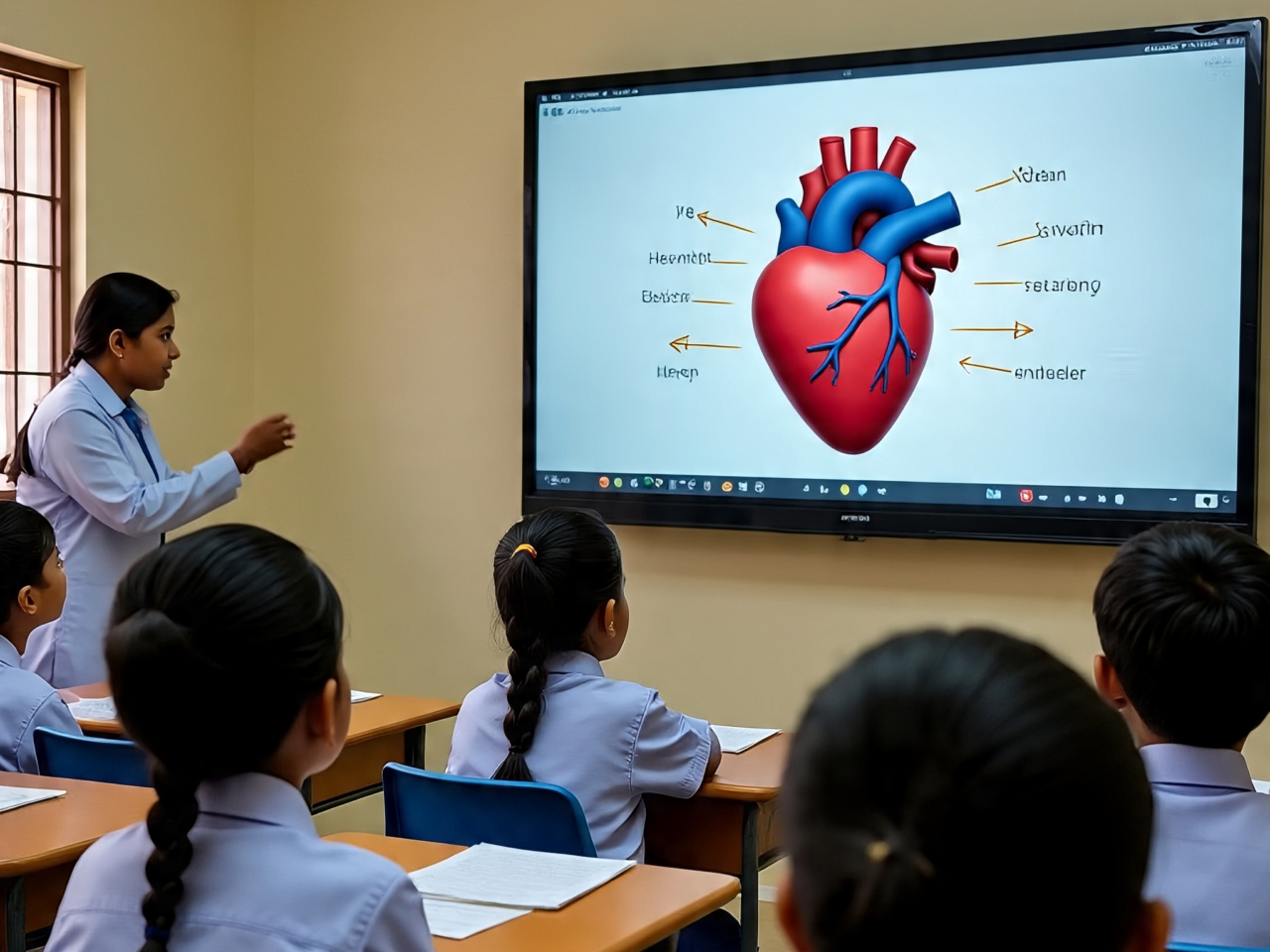
The classrooms in India are no longer limited to chalkboards, textbooks, and printed worksheets. With the rise of digital content, teachers now have access to a world of interactive tools and resources that make learning more engaging and effective. By reimagining traditional lesson plans, educators can bring creativity, innovation, and fun into their classrooms.
In this article, let’s explore how teachers across India are using digital content in creative ways to transform teaching and learning for students.
Why Digital Content is Important in Today’s Classrooms
Before we dive into creative methods, let’s understand why digital content is a game-changer:
- Engagement: Videos, animations, and interactive quizzes capture students’ attention better than static text.
- Personalisation: Teachers can tailor content to suit students learning levels and styles.
- Accessibility: Digital resources are available anytime, anywhere, helping students revise at their own pace.
- Skill Development: Along with academics, students learn 21st-century skills like critical thinking, collaboration, and digital literacy.
Now, let’s see how teachers are using digital content to redesign their lesson plans creatively.
1. Using Animated Videos for Complex Topics
Teachers use animated videos to explain difficult topics like photosynthesis, the solar system, or algebra. Animation simplifies concepts and provides visual storytelling that makes it easier for students to understand and remember.
For example, a science teacher can play an animation showing how the human heart pumps blood. This visual approach helps students grasp the process faster than reading it in a textbook.
2. Virtual Field Trips for Real-World Learning
With digital tools, teachers can take students on virtual tours without leaving the classroom. History teachers use virtual reality (VR) content or 360° videos to show students the Taj Mahal, Red Fort, or ancient Egyptian pyramids.
Geography teachers can use Google Earth or similar apps to explore different parts of the world. These virtual field trips help students connect theoretical knowledge with real-world locations.
3. Interactive Quizzes and Polls to Boost Participation
Teachers use digital platforms, or even built-in smartboard apps, to create interactive quizzes. Students enjoy participating because these quizzes feel like games.
Quick polls during the lesson also help teachers check students’ understanding in real-time and adjust their teaching accordingly. This keeps every student involved and active.
4. Digital Storytelling for Language and Literature
English and Hindi teachers use digital storytelling tools to make literature lessons more engaging. By showing animated stories or audiobooks, they bring stories to life for students.
Teachers also encourage students to create their own digital stories using apps like Book Creator or Canva. This not only improves language skills but also sparks creativity.
5. Blended Learning for Flexible Teaching
Blended learning combines traditional classroom teaching with online resources. Teachers assign students videos, e-books, or interactive lessons to study at home. In class, they discuss concepts, solve doubts, and conduct activities.
This approach gives students control over their learning pace and helps teachers use classroom time more effectively.
6. Gamification of Lessons to Make Learning Fun
Teachers add game-like elements to their lessons using digital content. For example, they create point systems, badges, or leaderboards for completing tasks or mastering skills.
Math teachers use apps that turn solving problems into a fun challenge. Social studies teachers design treasure hunts using QR codes around the classroom. Gamification motivates students and makes lessons memorable.
7. Digital Whiteboards for Collaboration
With smartboards and interactive flat panels, teachers encourage students to collaborate. Groups of students solve problems together on the board, draw mind maps, or brainstorm ideas.
Digital whiteboards allow saving and sharing these sessions, so students can revisit their work later. It also reduces paper usage and supports sustainable learning.
8. Flipped Classrooms for Active Learning
In a flipped classroom model, teachers share video lectures or digital reading material before the class. Students study the basics at home and use classroom time for discussions, problem-solving, and hands-on activities.
This approach shifts the focus from teacher-led lectures to student-centered learning. It gives students confidence to participate actively.
9. Integration of Augmented Reality (AR) for Experiential Learning
Some schools in India are exploring augmented reality apps to make lessons interactive. For example, scanning a page in a textbook with an AR app can bring up 3D models of planets, human organs, or historical monuments.
This immersive experience helps students understand and remember concepts better.
10. Access to Digital Libraries and Educational Apps
Teachers recommend digital libraries and apps that offer a wide range of learning resources. Apps like NCERT ePathshala and Studynlearn give access to videos, e-books, question banks, and more.
Students can explore additional content, practice quizzes, and even watch concept videos in regional languages. This supports self-learning and reinforces classroom teaching.
How Teachers Can Start Using Digital Content Creatively
Here are a few tips for teachers who want to reimagine their lesson plans:
- Start Small: Begin with one or two digital tools and gradually add more as you gain confidence.
- Align Content with Curriculum: Choose resources that match your syllabus and students’ grade level
- Encourage Student Participation: Let students explore, present, and create their own digital projects.
- Collaborate with Peers: Share ideas and tools with fellow teachers to learn from each other.
- Attend Training Sessions: Join webinars or workshops on using technology in education.
The Future of Teaching is Digital
As Indian classrooms adopt more technology, teachers play a crucial role in ensuring digital content is used meaningfully. By blending creativity with technology, educators can design lesson plans that inspire curiosity, encourage participation, and improve learning outcomes.
Digital content is not just a trend; it is a powerful teaching aid that helps prepare students for a fast-changing world. With smartboards, interactive apps, and online resources, teachers can truly transform education for the 21st century.
Conclusion
Reimagining lesson plans with digital content opens endless possibilities for Indian teachers. Whether it’s through videos, interactive quizzes, or virtual field trips, educators can make learning more dynamic and student-friendly.
By embracing these creative methods, teachers are not only improving academic performance but also nurturing skills like critical thinking, creativity, and collaboration among students.
How Smartschool Education transformed teaching in schools?
Here is a snippet of how Smartschool Education’s Studynlearn Interactive flat panels have changed the teaching methodology of teachers and the learning methodology of students.

“Watch this young learner named Shivganesh from Kodela Global High School confidently explain the bones in the hand, all thanks to the engaging classroom powered by Studynlearn Interactive Flat Panels. With vibrant visuals and interactive features, students are not just learning; they're understanding and enjoying every concept deeply. Classrooms are becoming more dynamic, and children are grasping concepts faster than ever!”
SmartSchool Education is a prominent EdTech company providing a wide range of educational solutions, including interactive flat panels, all-in-one PCs, a learning app, studio setup services, K-12 digital content, and school books under the Studynlearn and SNL brands.
To Know More, Call or Whatsapp on: 89270-89270
Related post:
- Digital Content for Holistic Learning: Blending Academics with 21st-Century Skills
- Beyond Textbooks: How Digital Content Makes Learning More Dynamic and Real
- Smart Learning Starts Here: Exploring the Impact of Digital Content in Schools
- From Chalkboards to Smartboards: The Digital Content Revolution in Classrooms
- Best Practices for Implementing Digital Content Learning in Schools
- How Digital Content Enhances Student Engagement and Academic Performance
- The Future of Education: Why Digital Content is Key to School Success
- Empowering Teachers: The Role of Digital Content in Modern Classrooms
- Transforming Traditional Classrooms with Interactive Digital Content
- Digital Content in Schools: Bridging the Gap Between Theory and Practice