Smart Learning Starts Here: Exploring the Impact of Digital Content in Schools
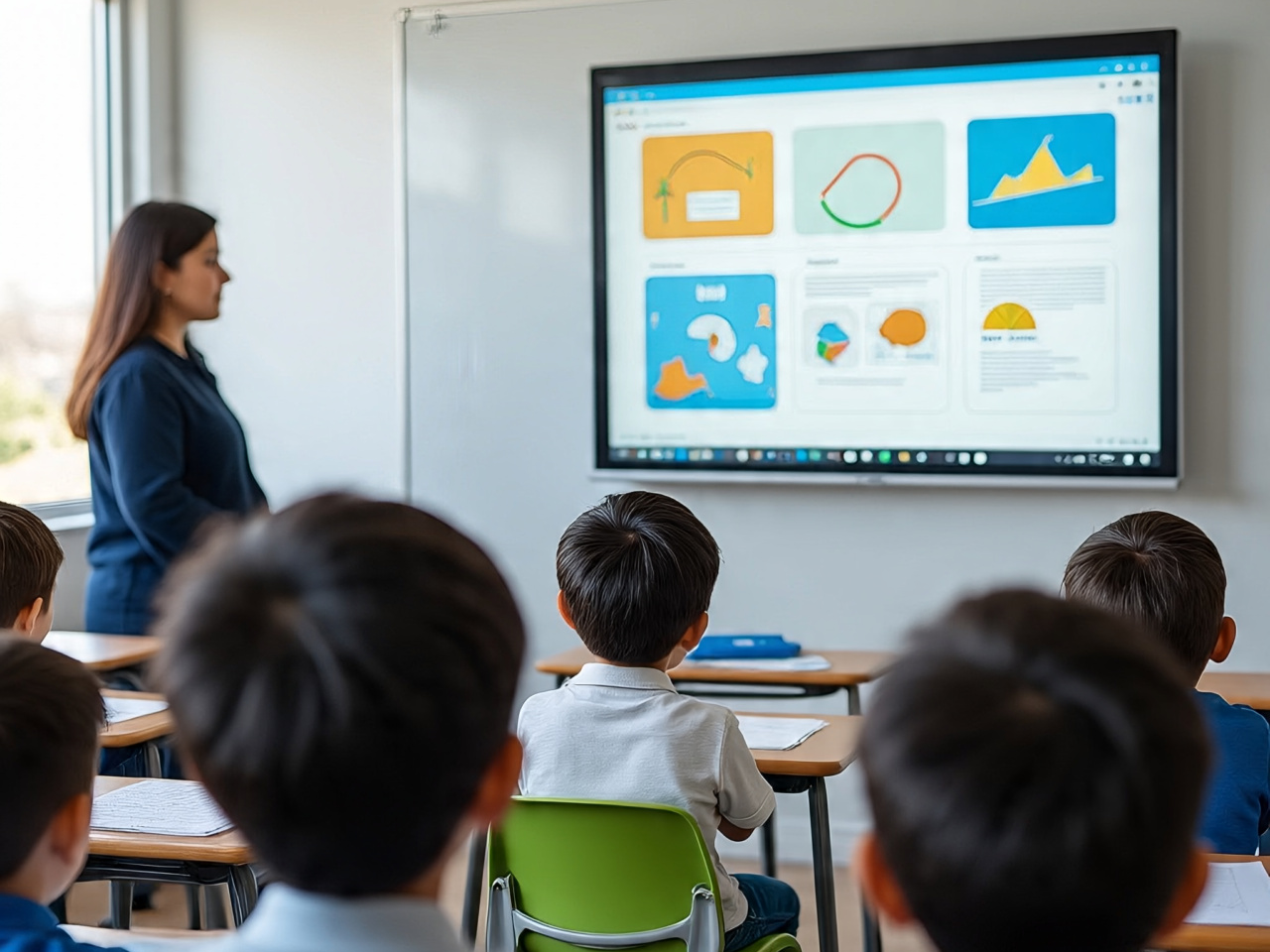
Education in India is going through a major transformation. With the rise of digital technology, our classrooms are no longer limited to chalkboards and textbooks. Today, digital content is playing a powerful role in shaping how students learn and how teachers teach. From interactive videos to animated lessons, digital tools are making education more engaging, effective, and accessible for students across the country. In this blog, we will explore how digital content is changing Indian classrooms and why smart learning is the future of education.
What is Digital Content in Education?
Digital content includes all types of learning materials that are available in electronic form. These can be:
- Educational videos
- Animations
- E-books and PDFs
- Interactive simulations
- Online quizzes and assessments
- Virtual labs and activities
This content can be used on smartboards, tablets, computers, and even mobile phones. The aim is to make learning more visual, interesting, and easier to understand.
Why Indian Schools are Turning Towards Digital Learning
India has one of the largest school-age populations in the world. With over 250 million students, it is not easy to offer high-quality education in every corner of the country. But digital content makes it possible. Here are some key reasons why Indian schools are adopting digital learning:
1. Better Understanding of Concepts
Students often find it hard to understand topics like algebra, physics, or biology by just reading books. But with animations and 3D videos, these difficult concepts become much easier. For example, a student can watch the process of digestion or the working of an electric circuit through an animated video and understand it in minutes.
2. Increased Student Engagement
Children enjoy watching videos and using interactive apps. When digital content is added to teaching, students pay more attention and show more interest in studies. This leads to better concentration and higher academic performance.
3. Support for Different Learning Styles
Every child learns differently. Some students learn better by watching, some by listening, and some by doing. Digital content supports all these styles. With videos, audio clips, and simulations, teachers can cater to every child’s learning needs.
4. Bridging the Urban-Rural Gap
Many schools in rural India lack quality teachers or updated textbooks. But digital content can be delivered through tablets or smartboards in these schools. This ensures that even students in remote areas get access to quality education.
5. Saves Time and Resources
Teachers no longer need to draw complex diagrams on the board or spend hours preparing charts. Digital content offers ready-made, high-quality resources that save time and help teachers focus more on guiding students.
Key Features of Smart Learning Tools
Modern classrooms use various smart learning tools to deliver digital content. Let’s look at some of these:
Interactive Flat Panels (IFPs)
These are large touch-screen displays used in classrooms. Teachers use them to show videos, presentations, and animations. Students can also interact directly on the screen for solving problems or writing answers.
Digital Libraries
Schools now offer access to digital libraries, where students can read books, watch topic-wise videos, and explore other learning resources anytime.
Smart Classrooms
These are classrooms equipped with projectors, audio systems, IFPs, and internet connections. Teachers use smart content aligned with the syllabus to teach more effectively.
Online Learning Platforms
Apps and websites like Diksha, BYJU’S, and Studynlearn provide structured learning content for students from Class 1 to 12 in multiple languages.
Real-Life Impact of Digital Content in Indian Schools
1. Improved Results
Many schools that adopted smart learning have reported higher exam scores and better overall academic performance. For example, schools using digital content from brands like Studynlearn have seen better understanding in subjects like science and maths.
2. More Confident Students
Digital tools help students become more confident in class. They participate more in discussions and are not afraid to ask questions.
3. Empowered Teachers
Digital content does not replace teachers—it supports them. With ready-made lesson plans, topic-wise videos, and assessment tools, teachers find it easier to manage classes and explain concepts clearly.
Government Initiatives for Digital Learning
The Indian government is also supporting the shift to digital education:
- DIKSHA Platform: A free digital content platform for students and teachers. It offers videos, quizzes, and e-books in many Indian languages.
- PM eVIDYA: A program that includes TV channels, radio content, and online resources to reach students in remote areas.
- Digital India Campaign: A broader initiative to improve internet access and digital literacy in schools and villages.
Challenges in Adopting Digital Content
While digital learning has many benefits, there are some challenges too:
- Lack of Infrastructure: Many rural schools still don’t have electricity, internet, or smart devices.
- Training for Teachers: Not all teachers are trained to use digital tools. They need proper training to use digital content effectively.
- Cost of Devices: Tablets, smartboards, and digital licenses can be expensive for small private schools and government schools.
But with support from the government, private sector, and NGOs, these problems are slowly being solved.
Future of Smart Learning in India
The future of education in India is digital. In the coming years:
- More schools will become smart classrooms
- Digital content will be available in all major Indian languages
- AI-based learning tools will personalise education for every student
- Students will have access to national and global educational content
Conclusion
Smart learning has already started in India. From metro cities to small towns, schools are embracing digital content to provide better education. The impact is clear—students are learning faster, teachers are teaching better, and classrooms are becoming more engaging.
Brands like Studynlearn are leading the way by offering interactive flat panels and syllabus-based smart class content. These tools are not just improving the quality of education, but also inspiring a love for learning among students.
If India wants to prepare its youth for the future, we must invest in smart learning today. Because smart learning doesn’t just start with a device or an app, it starts with a vision to make education better for every child.
How Smartschool Education transformed teaching in schools?
Here is a snippet of how Smartschool Education’s Studynlearn Interactive flat panels have changed the teaching methodology of teachers.

"Hello friends, this is Hardik Joshi from OM eLearning. We are using SNL, StudynLearn Interactive Flat Panel Digital Smart Board of 75 inches from last 6 to 7 months. Before purchasing this digital panel, we did a lot of research. We approached the primary leading digital panel selling companies in India and took their digital demo. Later, we came to know about SNL, so we took their demo. Then we found this SNL Interactive Panel perfect for our company.
We have been using it for 6 months. Many of our faculties have appreciated this panel. Because they also use the panels of other companies. So the smoothness in this, the digital updates, the new updates, specially it works on Android 14. The service support of SNL is also very good. So I will definitely suggest you guys to go with SNL Flat Interactive Digital Smart Board. Thank you."
- Hardik Joshi, Om E Learning
SmartSchool Education is a prominent EdTech company providing a wide range of educational solutions, including interactive flat panels, all-in-one PCs, a learning app, studio setup services, K-12 digital content, and school books under the Studynlearn and SNL brands.
To Know More, Call or Whatsapp on: 89270-89270