How to Set Up a Smart Classroom Using Smart Board
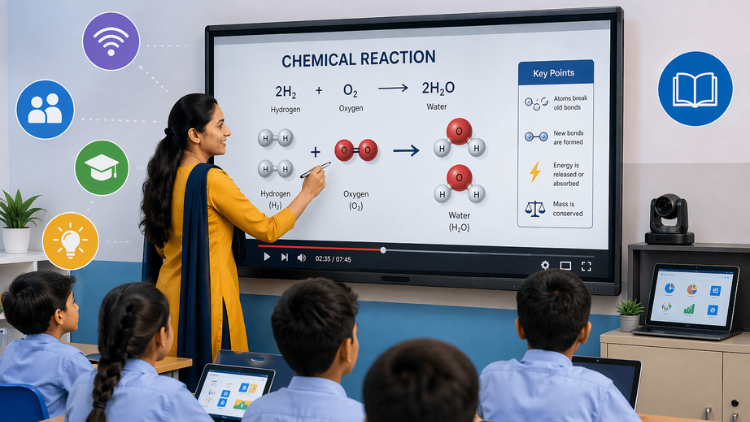
What Is a Smart Classroom?

Step 1: Understand Your Classroom Needs

- How many students sit in one class?
- What subjects need digital support?
- What is your budget?
Step 2: Choose the Right Smart Board

- Screen size (65”, 75”, 86”)
- Touch responsiveness
- Built-in software
- Android or Windows support
- Audio quality
Step 3: Plan the Budget Smartly

- Installation charges
- Training for teachers
- Software subscriptions
- Maintenance
Step 4: Ensure Proper Installation

- Mount the board at the correct height
- Ensure proper wiring and power supply
- Check internet connectivity
- Test touch and display functions
Step 5: Set Up Digital Content

- Pre-loaded educational content
- Subject-wise animations
- Interactive quizzes
- Videos and simulations
Step 6: Train Teachers Properly

- How to operate the smart board
- How to create presentations
- How to use interactive tools
- How to engage students digitally
Step 7: Integrate Internet and Devices

- Install high-speed Wi-Fi
- Connect laptops or tablets
- Use cloud-based tools
Step 8: Create an Interactive Teaching Environment

- Ask questions during lessons
- Let students come forward and solve problems
- Use polls and quizzes
- Encourage discussions
Step 9: Maintain the System Regularly

- Clean the screen regularly
- Update software
- Check connectivity issues
- Schedule periodic servicing
Real Classroom Scenario

- Understanding improves
- Class participation increases
- Learning becomes enjoyable
Benefits of Setting Up a Smart Classroom

1. Better Student Engagement
2. Improved Learning Outcomes
3. Time-Saving for Teachers
4. Modern Learning Experience
5. Long-Term Value
Common Mistakes to Avoid

- Ignoring teacher training
- Skipping proper installation
- Not using digital content effectively
Avoid these mistakes to get the best results.
Conclusion: Build a Future-Ready Classroom
Frequently Asked Questions (FAQs)
A smart classroom uses digital tools like interactive panels, internet access, and multimedia content to improve teaching and learning. Teachers use a smart board to display lessons, write notes, and show videos. Students interact with content in real time, which makes learning more engaging. Instead of only using textbooks, teachers combine visuals and activities to explain concepts better. This setup improves understanding and participation. Schools also save time because teachers can use ready-made content. A smart classroom creates a modern learning environment where both teachers and students stay actively involved in the learning process.
The cost of a smart board in India depends on screen size, features, and brand. Basic models cost less, while advanced panels with built-in software and content cost more. When schools compare smart board price, they should also consider installation, training, and maintenance. Some brands offer bundled packages that include content and support, which can increase value. It is important to compare multiple options before making a decision. A slightly higher price often delivers better performance and durability. Schools should focus on long-term value instead of choosing the cheapest option available in the market.
Several factors influence the digital Board price in India. Screen size, touch technology, display quality, and built-in software all play a role. Boards with 4K displays and multi-touch features usually cost more. Additional features like cloud access, preloaded educational content, and strong audio systems also increase the price. Installation and after-sales support can further impact total cost. Schools should evaluate what features they actually need before buying. By understanding these factors, schools can select a board that fits both their budget and teaching requirements without overspending or compromising on essential features.
Choosing the right smart board depends on your classroom size, teaching needs, and budget. Start by deciding the screen size based on student visibility. Check features like touch response, built-in software, and compatibility with devices. Compare smart board price across brands to find the best value. Also, consider whether the board includes educational content or requires separate purchase. Make sure the brand offers good service and warranty support. Schools should avoid focusing only on price and instead look at overall performance, durability, and ease of use for teachers to ensure long-term success.
Teacher training plays a key role in the success of a smart classroom. Even the best smart board cannot deliver results if teachers do not know how to use it effectively. Training helps teachers learn how to create interactive lessons, use digital tools, and manage classroom activities. It also builds confidence and reduces hesitation in using new technology. When teachers feel comfortable, they engage students better. Schools that invest in training get more value from their smart board price investment. Proper training ensures that technology enhances teaching instead of becoming an unused classroom device.
A smart board improves teaching by making lessons more interactive and engaging. Teachers can use videos, animations, and real-time writing to explain topics clearly. Students understand concepts faster because they see and interact with content. It also saves time as teachers can access ready-to-use materials. Collaboration increases when students participate in activities on the board. Over time, schools notice better academic performance and higher student interest. When schools evaluate smart board price, they often realize that the benefits outweigh the cost, making it a valuable investment for modern education.
Internet access improves the effectiveness of a smart classroom, but it is not always required. Many smart boards come with preloaded content that teachers can use offline. However, internet connectivity allows access to online videos, cloud resources, and live educational platforms. Teachers can update content and explore new teaching materials easily. Schools that invest in good internet infrastructure create a more dynamic learning environment. While comparing digital Board price, it is important to check connectivity features. A connected classroom offers more flexibility and keeps learning updated with the latest educational trends.
Proper maintenance ensures that a smart board performs well for many years. Schools should clean the screen regularly and avoid using harsh chemicals. They should update software to keep features running smoothly. Regular checks for connectivity and hardware issues also help prevent problems. It is important to follow the manufacturer’s guidelines for usage and care. Schools should also choose brands that offer strong service support. When schools consider smart board price, they should include maintenance planning. A well-maintained board reduces repair costs and ensures consistent classroom performance over time.
Schools often make common mistakes while setting up smart classrooms. They focus only on smart board price and ignore features and quality. Some schools skip teacher training, which reduces the effectiveness of the system. Poor installation can also cause technical issues. Another mistake involves not using digital content properly, which limits the benefits of the technology. Schools should plan carefully and invest in the right tools and training. By avoiding these mistakes, they can create a successful smart classroom that improves learning outcomes and ensures a better return on investment.
A smart classroom improves learning by making lessons more interactive and easy to understand. Students engage more when they see visuals, videos, and animations. They participate actively instead of only listening. This approach helps them remember concepts for a longer time. Teachers can also adapt lessons based on student responses, which improves understanding. Over time, students show better performance and interest in studies. When schools compare digital Board price, they should consider these long-term benefits. A smart classroom creates an engaging environment that supports both academic growth and skill development for students.